The short answer is yes. Here is the longer, more honest answer from people who live here and know what to actually watch out for.
Millions of tourists visit Bali every year, and the vast majority leave with nothing but incredible memories. Violent crime against tourists is extremely rare. The Balinese people are genuinely warm, welcoming, and proud of their island. Walk through any village, and strangers will smile, wave, and invite you to try their food. This is not a place where you need to look over your shoulder.
That said, Bali is not Disneyland. It is a real place with real traffic, tropical conditions, and the kind of small-scale scams you will find in any popular tourist destination worldwide. The things that catch travelers off guard are almost never dangerous. They are more like inconveniences: a money changer who shortchanges you, a stomach that needs a day to adjust to the food, or a motorbike ride that turns out to be more terrifying than expected. All of these are easy to avoid with a little awareness.
This guide covers everything you should know so you can relax and enjoy your trip. With a private driver and local guide, many of these concerns disappear entirely because you have someone who knows the island, speaks the language, and looks out for you all day long.
This is the oldest trick in Bali. Some independent money changers use sleight of hand, rigged calculators, or hidden fees to give you less than the displayed rate. The fix is simple: use official exchange offices (look for "Authorized" signs, Central Kuta, BMC, or PT-licensed changers), count your money before leaving the counter, and never exchange on the street.
Unofficial taxi drivers at the airport and tourist spots often quote inflated fixed prices. Use Blue Bird taxis (the only metered fleet you can trust), or better yet, use Grab or Gojek for transparent pricing. For full-day sightseeing, a private driver eliminates the guesswork entirely.
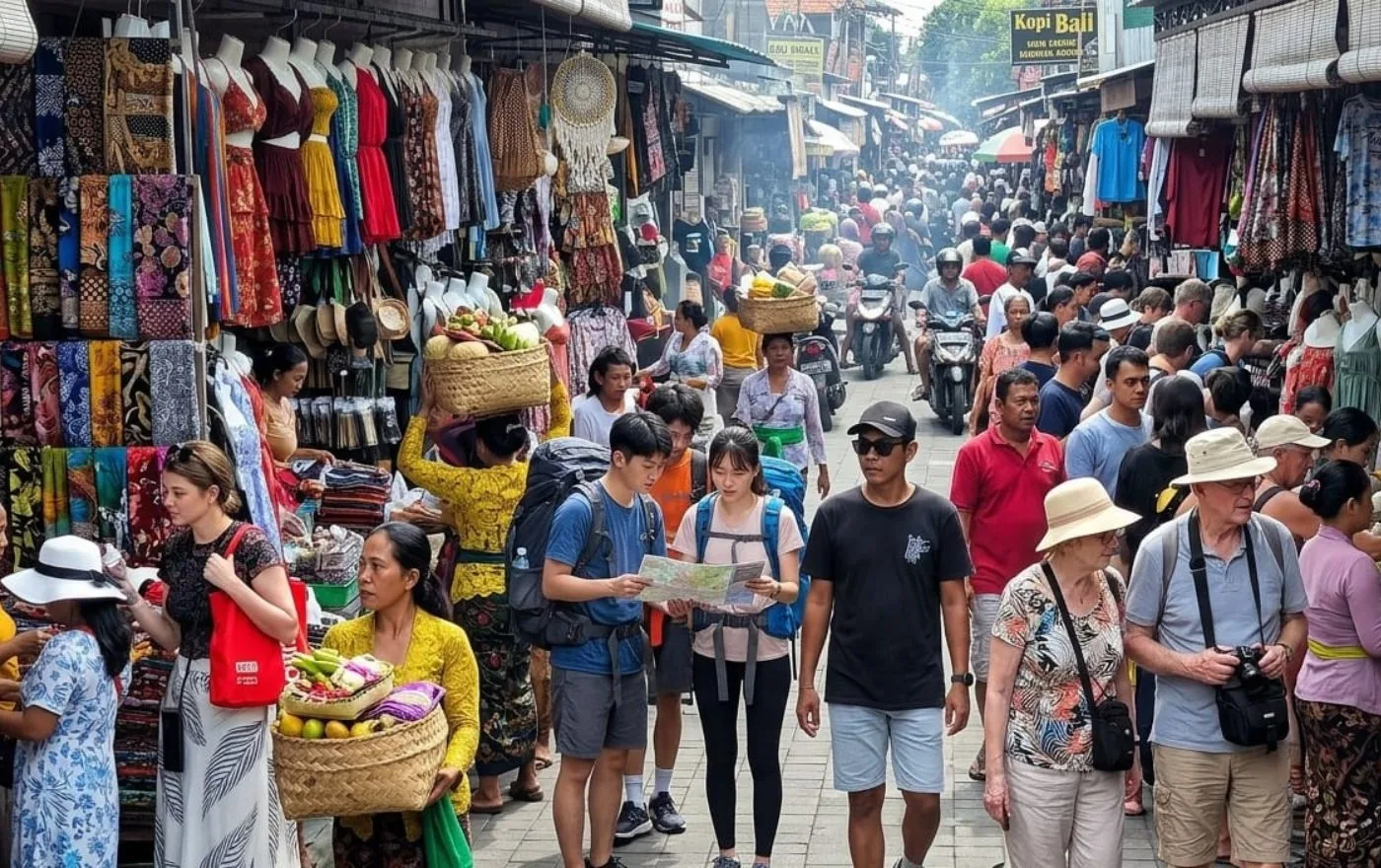
In traditional markets and street shops, prices are rarely displayed. Vendors typically start with a price two to three times higher than what they expect. This is not a scam, it is the culture. Bargaining is expected and should be fun. A good rule: start at 40% of the asking price and work your way to a number both sides are happy with. Be friendly, smile, and walk away if the price does not feel right.
Here are the most common situations tourists run into and exactly how to handle each one.
| Situation | What Happens | How to Handle It |
|---|---|---|
| Money Changer | Counts money fast, hides bills, or uses rigged calculator to give you less | Use authorized exchangers only (Central Kuta, BMC). Count bills yourself before leaving |
| Airport Taxi | Drivers quote a flat rate that is double the real price | Book a pickup in advance, use the official airport taxi counter, or order a Grab once outside |
| Temple "Guide" | Someone approaches at a temple entrance offering to be your guide, then demands payment | Politely decline. Official guides are inside the ticket office. With a private tour, your driver handles everything |
| Fake Petrol | Some roadside vendors sell watered-down petrol from glass bottles for scooter riders | Refuel at Pertamina gas stations only. Look for the red and blue logo |
| Bag Snatching | Very rare, but motorbike riders occasionally grab bags from pedestrians on busy roads | Carry your bag on the side away from the road. Use a crossbody bag. Keep valuables in your hotel safe |
| Overpriced Tours | Street sellers offer "special price" tours that cost far more than the going rate | Book directly with an established tour operator. Be cautious of very cheap offers: they usually mean an old car, broken air conditioning, no WiFi, and an uncomfortable ride. You get what you pay for |
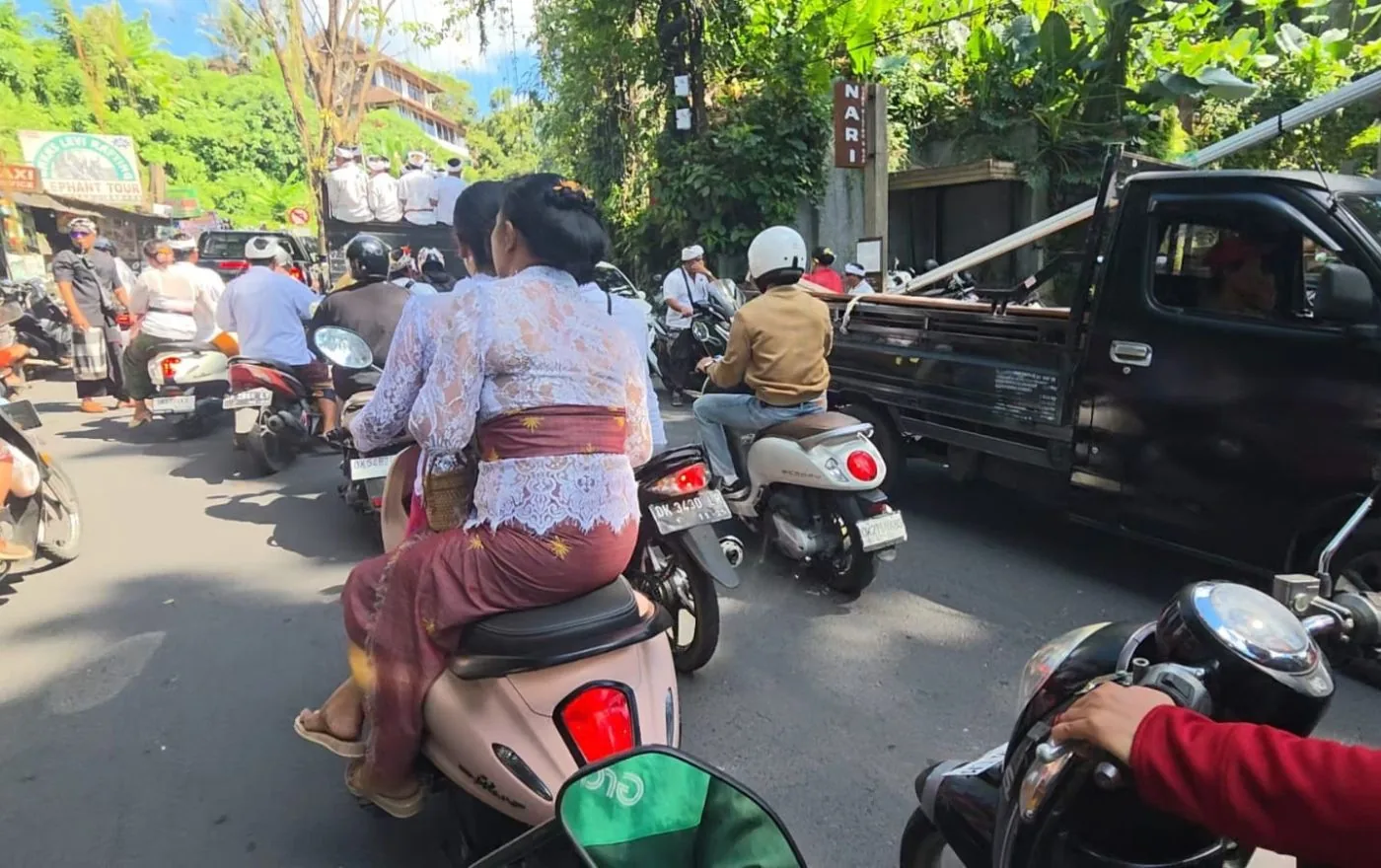
This is not an exaggeration: scooter accidents are the leading cause of tourist injuries and hospital visits in Bali. The traffic is chaotic, the roads are narrow, potholes appear without warning, and dogs, chickens, and ceremony processions can cross the road at any moment. If you are not an experienced rider at home, Bali is not the place to learn.
Most travel insurance policies do not cover scooter accidents unless you hold a valid international driving permit with a motorcycle endorsement. Many rental scooters do not come with proper insurance either. If something goes wrong, you could be looking at thousands of dollars in hospital bills with no coverage.
If you do decide to ride, always wear a helmet (a real one, not the thin decorative helmets some rental shops provide), never ride at night if you can avoid it, and stay off the main highways. But the safest option by far is to skip the scooter entirely and let a professional driver handle Bali's roads for you.
This is the one rule everyone should follow. Tap water in Bali is not safe to drink. Always use bottled water or refill from filtered water stations, which are widely available in restaurants, hotels, and convenience stores. Most established restaurants use filtered water for cooking and ice, so you do not need to worry about ice cubes in your drinks at reputable places.
Some travelers experience stomach issues in the first few days. This is usually the body adjusting to new bacteria in the food, not food poisoning. It passes quickly. Eat at busy restaurants where the food turns over fast, avoid raw street food until your stomach has had a few days to adjust, and wash your hands often. Pharmacies in Bali are excellent and carry everything you need if you do get an upset stomach.
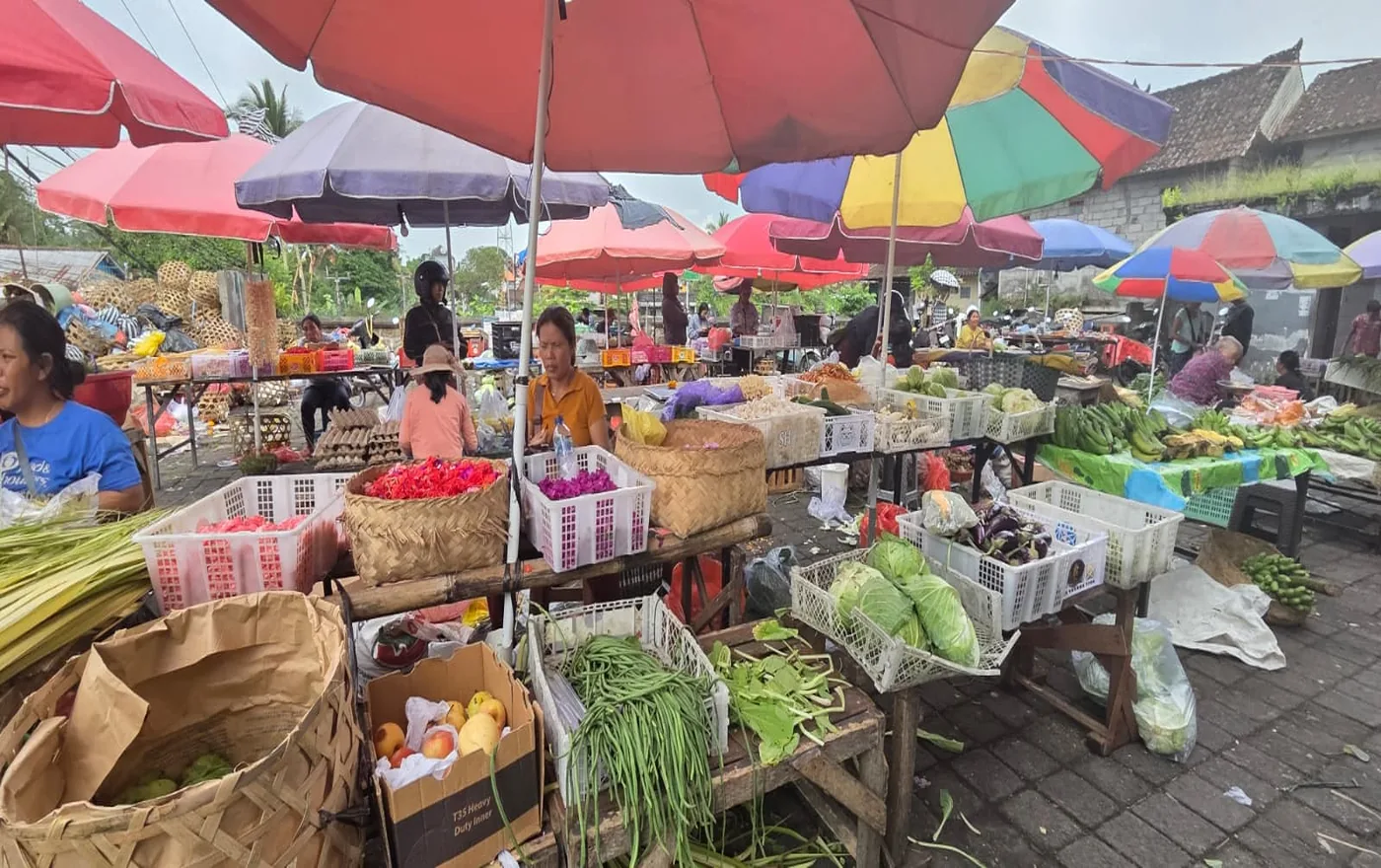
Warungs (small local restaurants) with a steady stream of Indonesian customers are almost always safe and serve the best food. If the locals eat there, you can too. Your private tour driver knows the best warungs in every area and will happily take you to places you would never find on your own.
Bali is one of the most popular solo travel destinations in the world, and for good reason. The island is incredibly welcoming, easy to navigate, and full of other solo travelers. Ubud in particular has a thriving community of people who came for a week and stayed for a month. Meeting other travelers is effortless in Bali, whether at a yoga class, a beach bar, or a cooking workshop.
Balinese culture is deeply respectful. Catcalling and harassment are not part of the local culture the way they can be in some other destinations. Women traveling solo in Bali consistently report feeling safe and comfortable. Standard precautions apply everywhere in the world: stay aware at night, use Grab or Gojek instead of getting on a stranger's motorbike, keep your hotel door locked, and trust your instincts if something feels off.
Solo travelers often find that a private day tour is the best way to explore safely and comfortably. You get the freedom of going wherever you want, with a local driver who knows the roads, speaks the language, and can recommend hidden gems that are not in any guidebook.
Bali is a tropical volcanic island. Here is what to be aware of and how to stay safe.
Bali has several international-standard hospitals, particularly in the Denpasar, Kuta, and Nusa Dua areas. BIMC Hospital and Siloam Hospital are the most popular with tourists and have English-speaking staff. For minor issues, pharmacies are everywhere and well-stocked with common medications, often available without a prescription.
Always travel with comprehensive travel insurance that covers medical treatment, evacuation, and repatriation. Hospital bills in Bali can add up quickly, and without insurance, you will be expected to pay upfront. Make sure your policy covers the activities you plan to do, especially scooter riding, surfing, and hiking.
Dengue fever exists in Bali, though the risk is relatively low in developed tourist areas. Mosquitoes that carry dengue bite during the day, so apply repellent in the morning, not just at night. Wearing light, long-sleeve clothing helps, especially during dawn and dusk. Accommodations with air conditioning and screened windows reduce the risk significantly.

Print this or screenshot it. These are the things that actually matter.
Bali is a wonderfully safe destination. The things that go wrong for tourists are almost always preventable: a scooter accident, a money changer scam, or a sunburn that ruins a beach day. Use common sense, get proper insurance, and consider traveling with a local driver who knows the island inside out. Do that, and you will have the trip of a lifetime.
Skip the scooter stress and transport scams entirely. Travel in a luxury air-conditioned vehicle with a professional English-speaking driver who knows every road, every shortcut, and every hidden gem. Your driver is also your local guide, translator, and the person who makes sure you never overpay for anything.
Choose from our curated private tours covering temples, waterfalls, rice terraces, beaches, and hidden gems. Reserve your spot now with no payment needed. Just show up, sit back, and let Bali unfold around you.
Explore Our Private Tours →