Spoiler: there is no bad time to go. A month-by-month breakdown from people who actually live here, so you can stop worrying and start planning.
One of the most common questions we hear from travelers is "when should I go to Bali?" The honest answer: any time you want. We have visited Bali during both the so-called rainy season and the dry season many times, and the reality on the ground rarely matches what travel blogs describe. During one rainy season trip, it barely rained at all. During a dry season visit, there were unexpected showers on several days. With climate change shifting weather patterns across Southeast Asia, the old "dry vs. wet" divide simply does not hold up the way it used to.
Bali sits just 8 degrees south of the equator, which means temperatures stay warm and comfortable all year round. You will never need a winter jacket here. The island has two official seasons: dry (April to October) and wet (November to March). But "wet season" does not mean days of nonstop rain. When it does rain, it usually comes in short, powerful bursts in the late afternoon, and then the skies clear again. Mornings are almost always beautiful. In fact, many travelers find the wet season months more pleasant because the temperatures feel slightly cooler, the air is fresher, and the landscapes turn an incredible shade of green.
No matter when you visit, a private tour with a local driver means your itinerary can adapt to the day's conditions. If clouds roll in over the rice terraces, your driver knows exactly where to head next for clear skies. That kind of flexibility is something you simply cannot get on a fixed group tour.
Here is what to expect each month so you can plan with confidence.
| Month | Avg Temp | Rain | Season | What to Expect |
|---|---|---|---|---|
| January | 27°C / 81°F | High | Wet | Warmest month, afternoon showers, lush green landscapes, fewer crowds |
| February | 27°C / 81°F | High | Wet | Similar to January, rivers flowing strong, great for waterfall tours |
| March | 27°C / 81°F | Moderate | Transition | Nyepi (Day of Silence) usually falls in March, rain starts easing |
| April | 27°C / 80°F | Low | Dry | Dry season begins, comfortable humidity, great all-around month |
| May | 27°C / 80°F | Low | Dry | One of the best months, warm days, clear skies, moderate crowds |
| June | 26°C / 79°F | Very Low | Dry | Peak season starts, ideal beach weather, book tours early |
| July | 26°C / 78°F | Very Low | Dry | Peak season, coolest month, perfect for hiking and outdoor tours |
| August | 26°C / 79°F | Very Low | Dry | Busiest month, clearest skies, best for sunrise at Mount Batur |
| September | 27°C / 80°F | Low | Dry | Crowds thin out, still dry and warm, excellent value |
| October | 27°C / 81°F | Moderate | Transition | Last dry weeks, occasional evening showers, shoulder season pricing |
| November | 27°C / 81°F | Moderate | Wet | Rainy season begins, short afternoon storms, mornings usually clear |
| December | 27°C / 81°F | High | Wet | Holiday season, busy despite rain, festive atmosphere, book ahead |
This is when most tourists visit Bali. Humidity is lower, skies are generally clearer, and it is easier to plan outdoor activities. June through August is the peak, with the most visitors and the highest hotel prices. That said, do not be surprised if you catch a few rain showers even during the dry months. Bali is a tropical island and weather patterns have become less predictable with climate change. A light rain jacket is always a good idea, no matter which month you travel.
If you want pleasant weather without the peak crowds, April, May, and September are the sweet spot. The temperatures are just as comfortable, the roads are quieter, and you will find better availability for tours, restaurants, and villas at much friendlier prices.
July and August are the best months for sunrise tours at Mount Batur. The skies are almost always clear, and the air is cool enough to make the early morning hike comfortable. If you visit during peak season, book your tour at least a few days ahead because spots fill quickly.
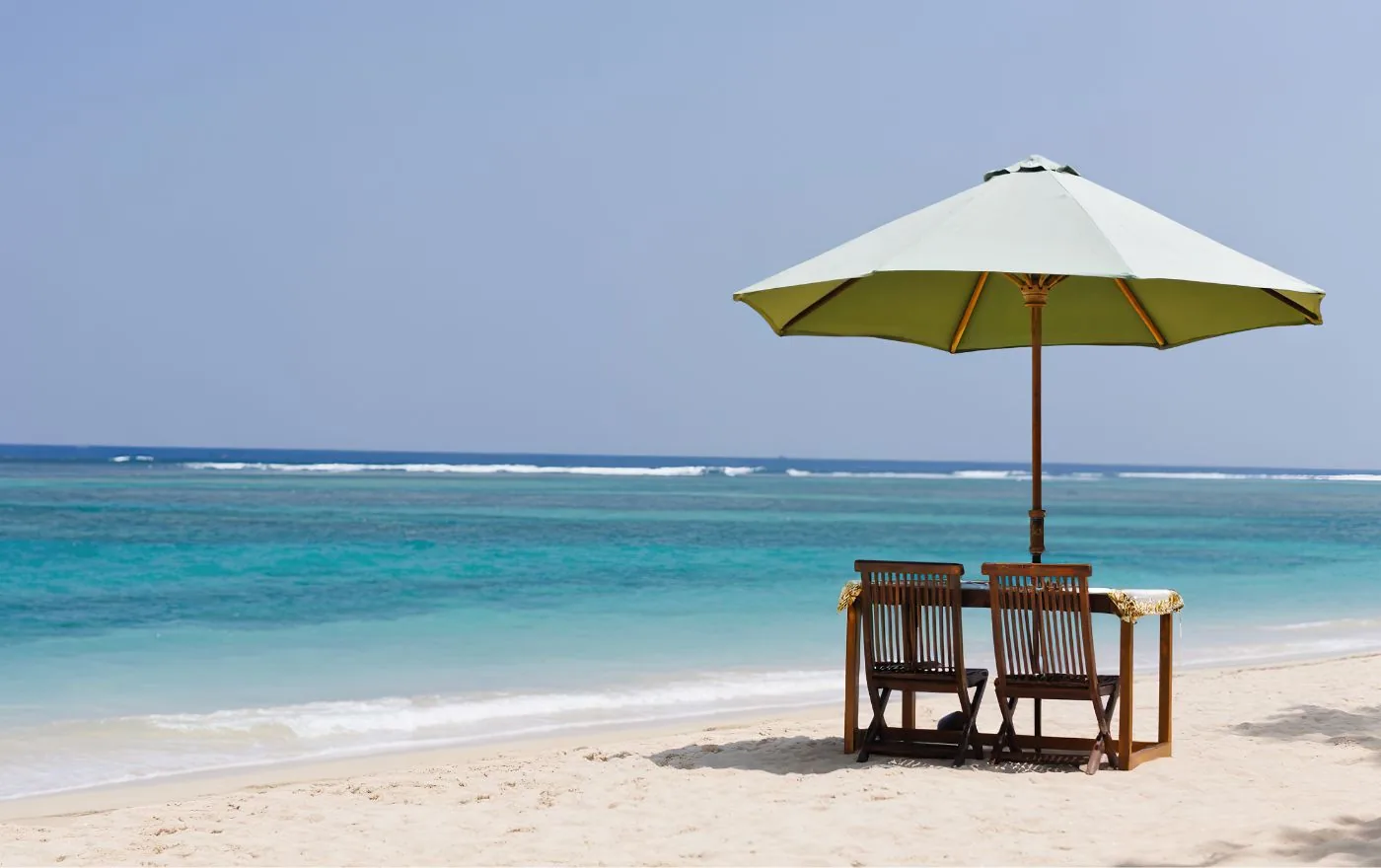
This is where most travel advice gets it wrong. "Rainy season" sounds like weeks of grey skies and constant downpours, but that is simply not how it works in Bali. On many visits during the wet months, the weather has been surprisingly dry, with days of uninterrupted sunshine. When rain does come, it usually arrives as a short, heavy burst in the late afternoon and clears within an hour or two. Mornings are almost always sunny and warm. The temperatures actually feel slightly cooler and more comfortable than peak dry season, which makes it easier to explore temples, hike through rice terraces, and spend time outdoors without the intense midday heat.
Because so many travelers skip these months based on the name alone, you get Bali at its most relaxed. Hotels, villas, and flights can cost 30% to 50% less than peak season. The rice terraces turn an unreal shade of green, the waterfalls are thundering at full power, and you will have temples and beaches almost to yourself. For anyone who is flexible with their schedule and does not mind carrying a light rain jacket just in case, the wet season can easily be the best time to visit Bali.
During the wet months, plan your outdoor activities for the morning when skies are clearest. Our private tour drivers know the weather patterns well and can adjust the day's route on the fly if a storm rolls in. This kind of flexibility is one of the biggest advantages of touring with a private driver versus a fixed group bus that follows the same schedule regardless of conditions.
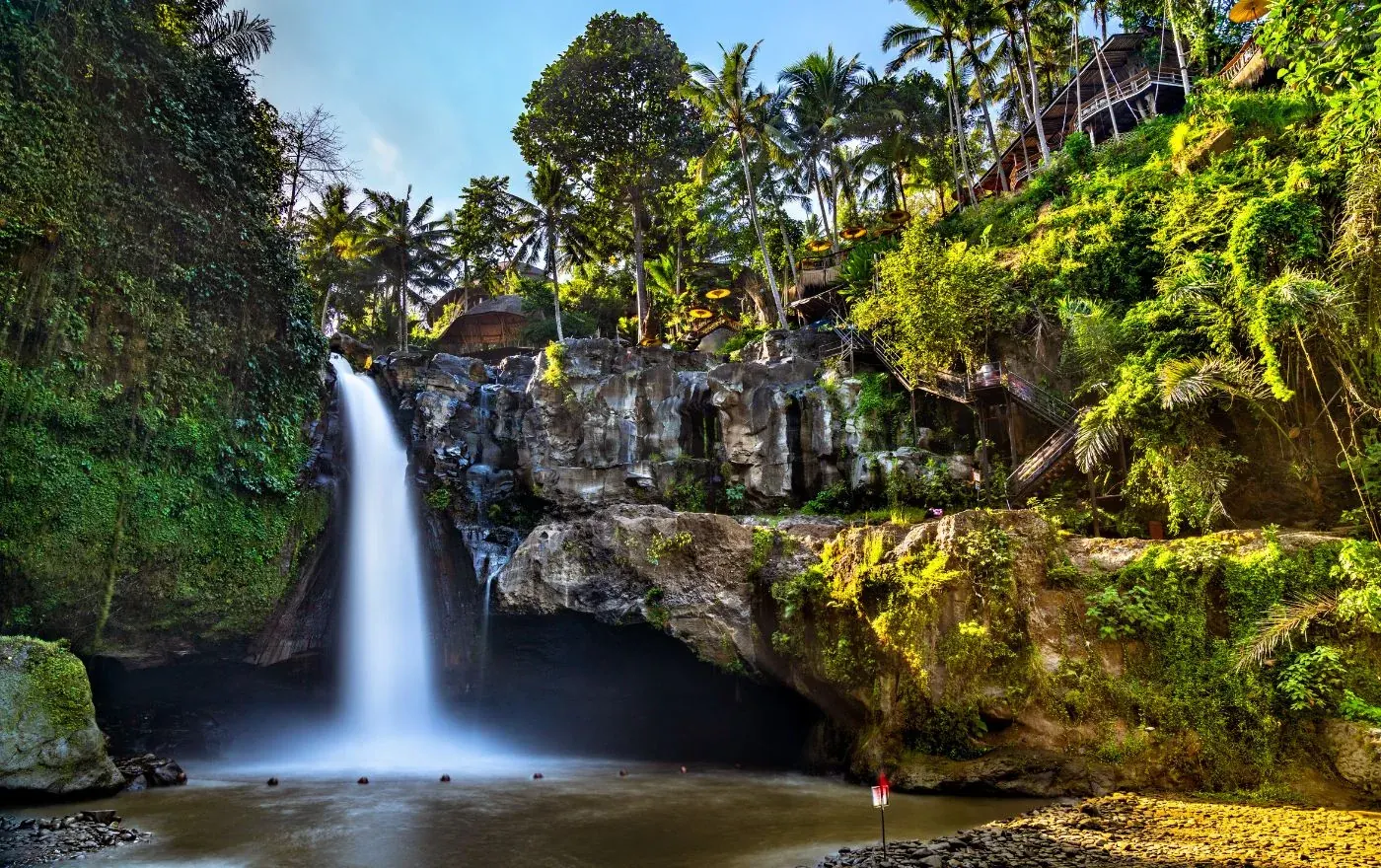
Packing for Bali is simpler than you might think. The key is to stay light, stay cool, and be ready for both sunshine and the occasional downpour. Here is everything you need, organized by category.
Save luggage space: No need to pack aloe vera gel, insect repellent, or after-sun moisturizer. Bali supermarkets carry very good quality products, and it saves you from carrying extra liquids in your suitcase.
Bali is deeply spiritual, and most tours include at least one temple visit. Both men and women are required to cover their knees and shoulders when entering a temple. The easiest solution is a sarong, which you can wrap around your waist over shorts.
Most touristic temples provide sarongs at the entrance, so you do not need to worry if you forget yours. If you want your own, you can buy beautiful handmade sarongs at any local market for about $5 to $7, and they make a great souvenir to take home.
Women who are menstruating are traditionally not permitted to enter Balinese temples. This is a deeply held religious belief and is respectfully enforced. Your tour guide will never ask directly, but if this applies to you, simply let them know you would prefer to wait outside and they will understand completely.

Just as important as what to bring is what not to bring. Travel light and Bali will take care of the rest.
Leave your heavy jeans at home because you will never wear them in Bali's heat. Skip the formal shoes, since even nice restaurants in Bali are sandal-friendly. You do not need a heavy rain umbrella because a packable rain jacket is far more practical when you are exploring.
There is no need to overpack toiletries, since Bali has pharmacies and convenience stores everywhere with international brands available at low prices.
Heavy jeans, formal shoes, bulky rain umbrella, full-size toiletries, winter jackets, and anything you would wear to a business meeting. Bali is casual, warm, and well-stocked with anything you might forget.
After years of guiding travelers through every month of the Bali calendar, here is what we suggest.
If you want to combine the best weather with reasonable prices and fewer crowds, aim for April, May, or September. These months give you dry skies, warm temperatures, and a much more relaxed atmosphere than the July and August peak. But no matter when you arrive, Bali will welcome you with warm air, friendly smiles, and unforgettable scenery. And with a private driver who knows every corner of the island, you will make the most of every single day, rain or shine. Reserve now, no payment needed.
Rain or shine, our private tours keep you comfortable. Travel in a luxury air-conditioned vehicle with a professional English-speaking driver who reads the weather like a local and adjusts your route to avoid downpours and catch the best light. Complimentary WiFi keeps you connected all day.
Choose from our curated private tours covering temples, waterfalls, rice terraces, beaches, and hidden gems. Reserve your spot now with no payment needed. Just show up, sit back, and let Bali unfold around you.
Explore Our Private Tours →