Everything you need to know about handling money in Bali, from finding safe ATMs and exchanging currency to tipping etiquette and avoiding common tourist money mistakes.
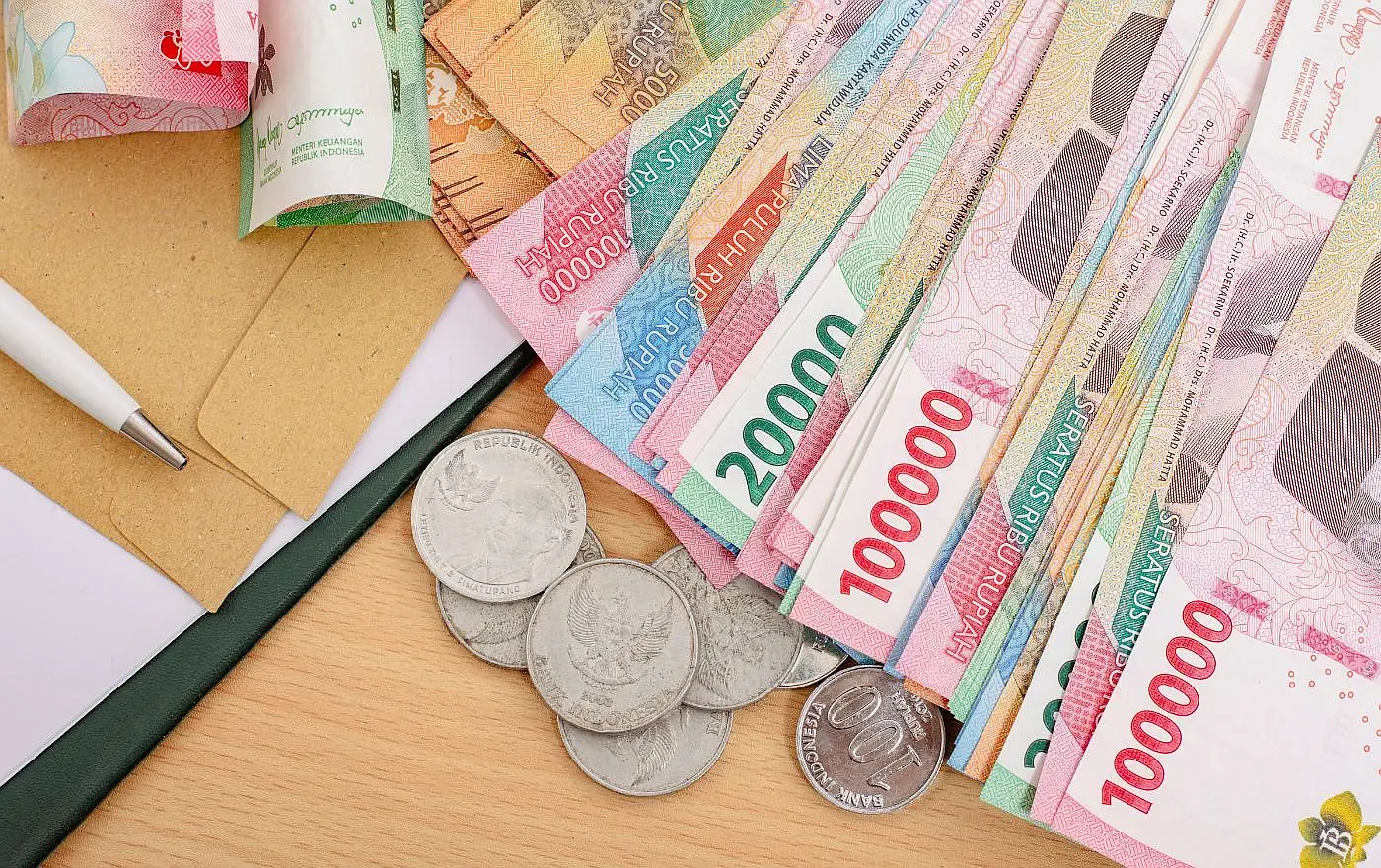
Indonesian Rupiah comes in large denominations that can feel unfamiliar at first
Indonesia's official currency is the Rupiah (IDR), and you will encounter large numbers that can feel unfamiliar at first. A simple coffee might cost 35,000 IDR, and a nice dinner could run 300,000 IDR or more. The numbers are big, but the value is very manageable once you get the hang of the conversion.
Quick mental math tip: drop three zeros from the Rupiah amount and divide by roughly 16 to get an approximate USD equivalent. So 100,000 IDR becomes 100 divided by 16, which is about six dollars. This shortcut works well for quick estimates while shopping or dining out.
Common banknote denominations include 2,000, 5,000, 10,000, 20,000, 50,000, and 100,000 IDR. The 100,000 IDR note is the largest and most commonly dispensed by ATMs. Coins do exist in smaller denominations, but they are rarely used in everyday transactions and you are unlikely to encounter them during your trip.
Two main ways to get Indonesian Rupiah in Bali, each with their own advantages and things to watch for.
ATMs are the most reliable way to get cash in Bali and are available everywhere in tourist areas. Use bank ATMs attached to actual bank branches such as BCA, Mandiri, BNI, and CIMB Niaga for the safest experience. Avoid standalone ATMs located inside convenience stores or small tourist shops.
Always withdraw in Rupiah rather than your home currency when the machine offers a choice. Daily withdrawal limits vary but typically allow 2,500,000 to 3,000,000 IDR per transaction. Notify your bank before traveling so your card does not get blocked for unexpected foreign transactions.
Be cautious of card skimming scams, which can occasionally happen at poorly maintained ATMs. Before inserting your card, check for anything unusual around the card slot or keypad, and avoid machines that look damaged or tampered with. It is also safer to withdraw cash during daylight hours or inside bank branches where security is present.
Many small shops, local markets, beach vendors, and family run restaurants in Bali still prefer cash payments, especially outside major tourist hubs. Carry a mix of smaller Rupiah notes for taxis, tips, parking fees, and small purchases, as vendors may not always have change for large bills.
For short trips around town, many tourists prefer using ride hailing apps like Grab or Gojek to travel from their hotel or villa to restaurants, shopping areas, or beaches. These apps allow you to connect your credit card directly, so payments are handled automatically through the app without needing to carry cash or negotiate prices with drivers. After the trip is completed, you can easily leave a tip through the app and rate your driver based on the experience. Using these services is often more convenient, transparent, and affordable than arranging transportation on the street, especially for first time visitors to Bali.
Money changers are convenient and found throughout all tourist areas, but you need to be careful to avoid scams. Only use authorized money changers that display a clearly visible license from the local government. Count your money carefully before leaving the counter and never walk away without verifying every single note.
Avoid any money changer offering rates that seem too good to be true, as these are almost always a setup for a scam. Airport exchange rates tend to be less favorable than those found in town. The best rates are typically found in Seminyak, Kuta, and Ubud at reputable licensed counters.
Bring large denomination bills if you plan to exchange cash in Bali. Money changers offer noticeably better rates for $100 and $50 bills compared to $20, $10, or $5 bills. This is not a scam, it is standard practice. The reason is that banks and wholesale currency dealers charge money changers higher processing fees for smaller bills because it costs more to count, verify, and transport five $20 bills than a single $100 bill. That extra cost gets passed directly to you through a lower exchange rate. Many travelers leave home with a stack of small bills thinking it will be more practical, only to discover at the counter that they are receiving less money for the exact same total amount. To get the best value, bring clean, undamaged $100 bills whenever possible.
Be aware of these common scams at unlicensed money changers. Fast counting is the most frequent trick, where the staff counts quickly and removes bills during the process so you receive less than the agreed amount. Calculator tricks involve entering wrong numbers to show a higher total than what you actually receive. Some operators also apply hidden fees that are deducted after showing you the advertised rate, leaving you with significantly less than expected. Always count the money yourself slowly, bill by bill, and never let the staff take the cash back once you have counted it.
Cash is king for most everyday transactions across Bali. You will need Rupiah for local warungs (small family restaurants), market shopping, small shops, temple entrance fees and donations, parking attendants, street food vendors, and tipping throughout your trip.
Cards are accepted at hotels, upscale restaurants, larger retail shops, supermarkets, day spas, and most established tour operators. Visa and Mastercard are widely accepted at these locations, though American Express is less commonly supported.
Always carry cash as a backup even if you prefer paying by card. Many places that accept cards will add a small surcharge of two to three percent to cover processing fees. Power outages and internet connectivity issues can also temporarily disable card machines, so having Rupiah on hand ensures you are never caught without a way to pay.
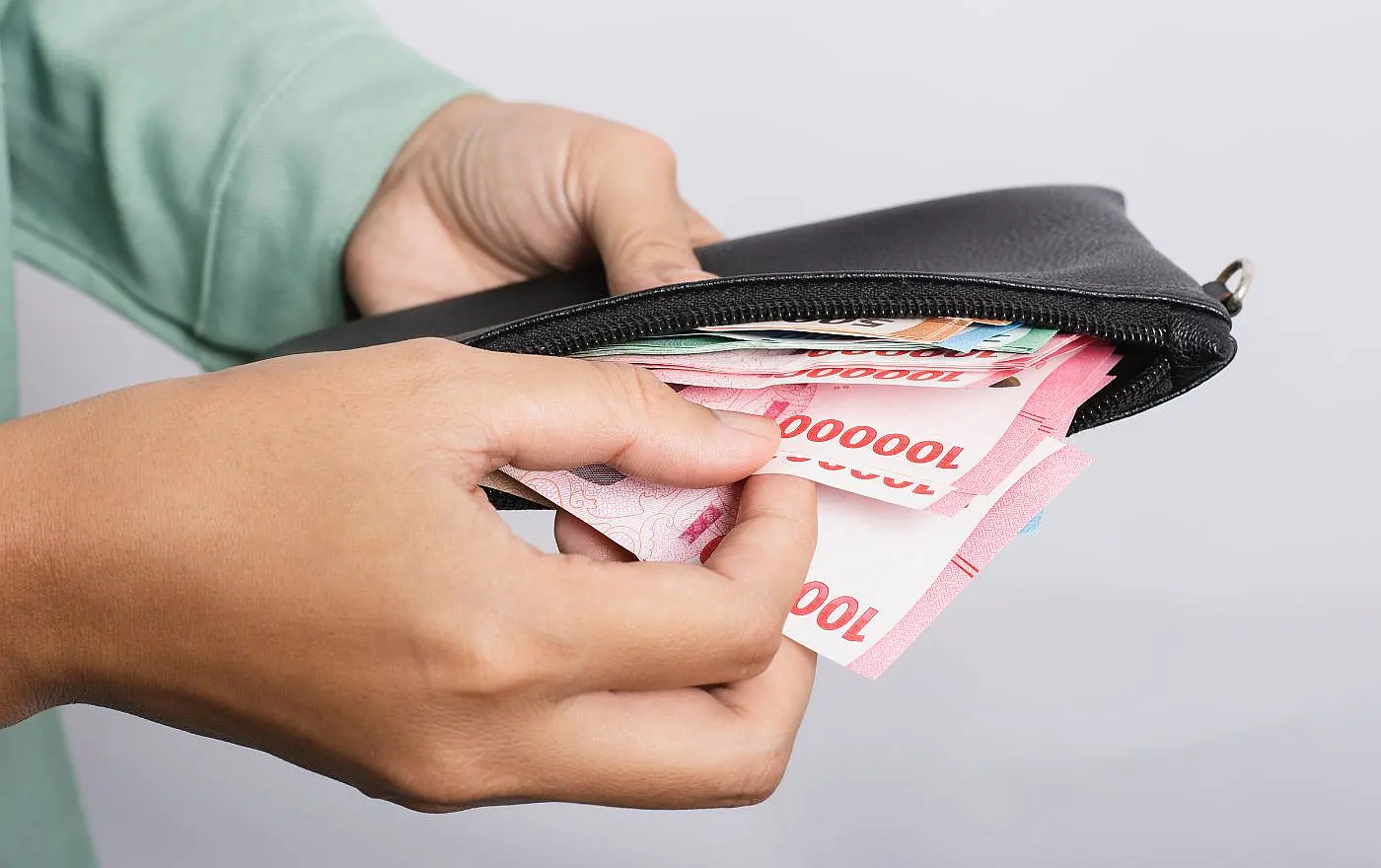
Cash is still king for everyday purchases across most of Bali
Always carry a mix of small denominations, especially 2,000, 5,000, and 10,000 IDR notes. These are essential for tips, temple donations, parking attendants, and small purchases at local shops. Large notes like 100,000 IDR can be difficult to break at small warungs and street vendors, so break them at supermarkets or larger restaurants whenever you get the chance.
Tipping is not mandatory in Bali, but it is always appreciated and goes a long way with the local staff who make your trip memorable.
| Situation | Suggested Tip | Notes |
|---|---|---|
| Restaurant (no service charge) | 5 to 10 percent of the bill | Check if a service charge is already included before adding a tip |
| Restaurant (service charge included) | Not required, small extra appreciated | Look for "service charge" or "++" on the menu or bill |
| Private driver (full day) | 100,000 to 200,000 IDR | More for exceptional service or very long days |
| Taxi or Grab | Round up to nearest 5,000 or 10,000 | Not expected but always appreciated |
| Spa or massage therapist | 20,000 to 50,000 IDR | Give directly to the therapist, not the front desk |
| Hotel porter | 10,000 to 20,000 IDR per bag | Hand the tip directly at the time of service |
| Tour guide | 50,000 to 100,000 IDR | Per person in your group |
| Parking attendant | 2,000 to 5,000 IDR | They will approach you when you park or leave |
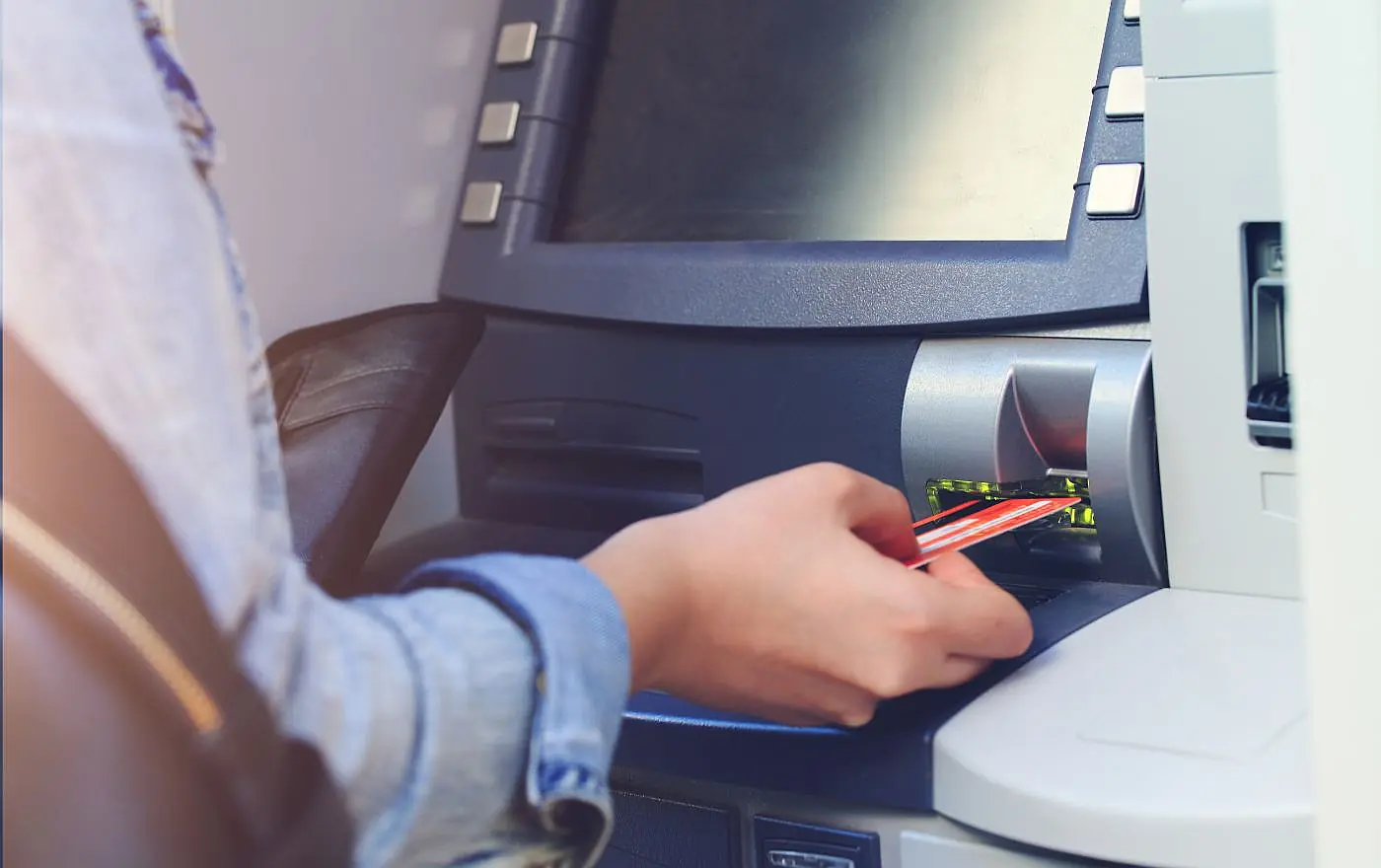
Use bank ATMs attached to real branches for the safest withdrawals
Bali is generally a safe destination, but taking basic precautions with your money will help you avoid any unnecessary stress during your trip.
Use a money belt or hidden pouch for carrying larger amounts of cash when you are out for the day. Keep your daily spending money in a separate pocket or small wallet so you do not need to access your main stash in public places.
Leave extra cash and spare cards in your hotel room safe. Most hotels and villas in Bali provide an in-room safe, and using it means you only carry what you need for that particular day or outing.
Make copies of your card details and store them separately from the cards themselves. If a card is lost or stolen, having the details readily available makes it much faster to contact your bank and arrange a replacement or temporary solution.
Be aware of your surroundings at ATMs, especially when withdrawing cash at night. Choose well-lit ATMs located at bank branches in busy areas, and shield the keypad when entering your PIN.
Keep these practical tips in mind to make handling money in Bali simple and stress free.
Withdraw Wisely: Use bank ATMs (BCA, Mandiri, BNI) attached to real branches. Skip standalone machines found inside shops or convenience stores.
Decline Conversion: When the ATM asks to convert to your currency, always choose Indonesian Rupiah. Dynamic currency conversion costs you more every single time.
Carry Small Bills: Keep 2,000 to 10,000 IDR notes handy for tips, parking, and temple donations. Break large notes at supermarkets or bigger restaurants.
Check Your Rate: Before exchanging money, check the current rate on your phone. If a money changer offers much better than the market rate, walk away. An inflated rate is bait to get you inside, where the real profit comes from fast counting tricks, calculator manipulation, or hidden fees deducted after the exchange.
Card Backup: Bring at least two different bank cards from different banks in case one gets blocked or a machine swallows your primary card.
Tell Your Bank: Notify your bank about your Bali travel dates before departure. Unexpected foreign transactions can trigger a fraud block on your account.
Your Bali Signature Tours driver knows which ATMs and money changers are safe and reliable. Instead of searching on your own, ask your driver to stop at a trusted bank branch along your route. It is one of the many small conveniences of traveling with a private driver who knows the island well.
From airport transfers to full-day private tours with a local driver, everything you need for an unforgettable Bali experience is just one click away.
Browse All Bali Tours